Inviting practitioners into your home requires immense trust. When a supervisor arrives for a session, they are not there to silently judge the environment or simply fill out paperwork in the corner. They play an active, vital role in ensuring your child’s therapy remains highly effective, engaging, and tailored to their specific developmental needs.
By understanding the mechanics of these visits, you can feel much more confident and involved in the therapy process. This guide will walk you through the core components of a case supervision session, from direct observations to detailed data review, completely removing the mystery so you know exactly what to expect.

The Core Components of Case Supervision
A case supervision session is a dedicated time for the overseeing clinician—usually a Board Certified Behavior Analyst (BCBA)—to evaluate how the therapy is progressing. They monitor the ongoing strategies and make necessary adjustments to the child’s treatment plan. These sessions generally involve three primary activities.
Direct Observations
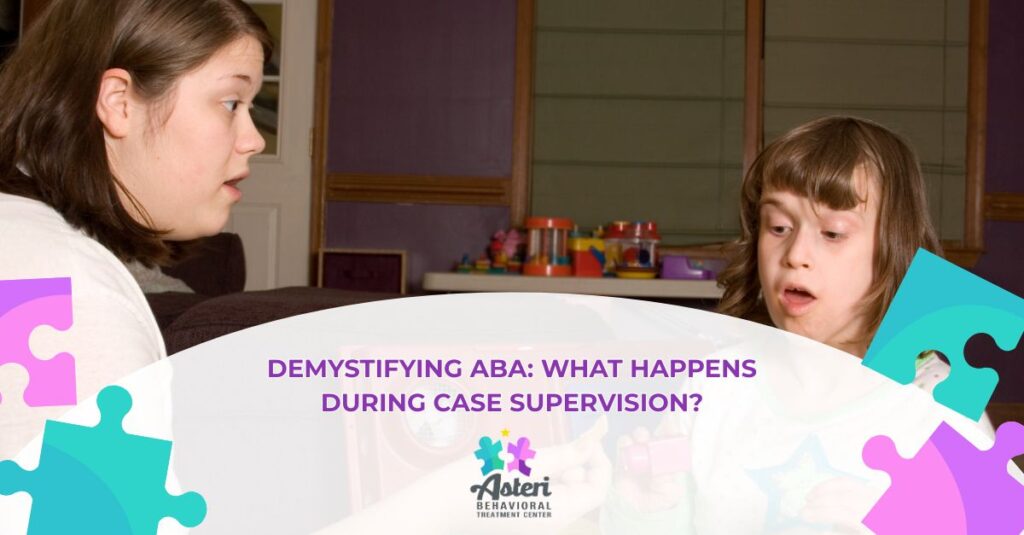
The most visible part of a supervision session is direct observation. The clinical supervisor will spend a significant amount of time simply watching the interaction between your child and their regular therapist. They are looking closely at how the child responds to specific instructions, rewards, and play activities.
During this phase, the supervisor assesses whether the current environment is conducive to learning. They watch for signs of frustration, boredom, or excitement from your child. Observing these natural interactions allows the supervisor to see the therapy in action, ensuring the strategies outlined in the behavior plan are translating effectively to real-world application.
Constructive Feedback to Therapists
Supervision is also a critical training ground for the therapists working with your child. After or during the observation phase, the supervisor will provide actionable feedback to the therapist. This ensures that the person spending the most time with your child is highly supported and continuously improving their skills.
You might see the supervisor step in to model a specific technique. If a child is struggling to master a new skill, the supervisor will demonstrate a different way to prompt the behavior or deliver a reward. This real-time coaching guarantees that the therapist feels confident and that your child receives the highest standard of care possible.
Comprehensive Data Review
ABA therapy is fundamentally driven by data. Every time a therapist works with your child, they record information about the child’s progress on specific goals. During a case supervision session, the supervisor takes a deep dive into this collected data.
They review graphs and progress notes to identify clear trends. If the data shows that your child is excelling at a particular goal, the supervisor will update the treatment plan to introduce a more advanced, challenging skill. Conversely, if the data indicates that progress has stalled, the supervisor will troubleshoot the intervention. They might break the skill down into smaller, more manageable steps to help your child succeed.
The Asteri Difference: Culturally-Aware Care
Some parents worry that clinical supervisors will impose rigid rules that disrupt their household routines. That’s the opposite of how we operate at Asteri. Here, we specifically hire experienced, culturally-aware clinicians. Beyond their expertise in traditional ABA therapies, they’re also sensitive to the culture in the child’s home, their values.
Therapy should never feel invasive. Our supervisors take the time to understand your family dynamic, your traditions, and your parenting style. By integrating your family’s unique cultural background into the treatment plan, we ensure that the therapy is respectful, relevant, and truly supportive of your child’s everyday life.
Building Trust Through Transparency
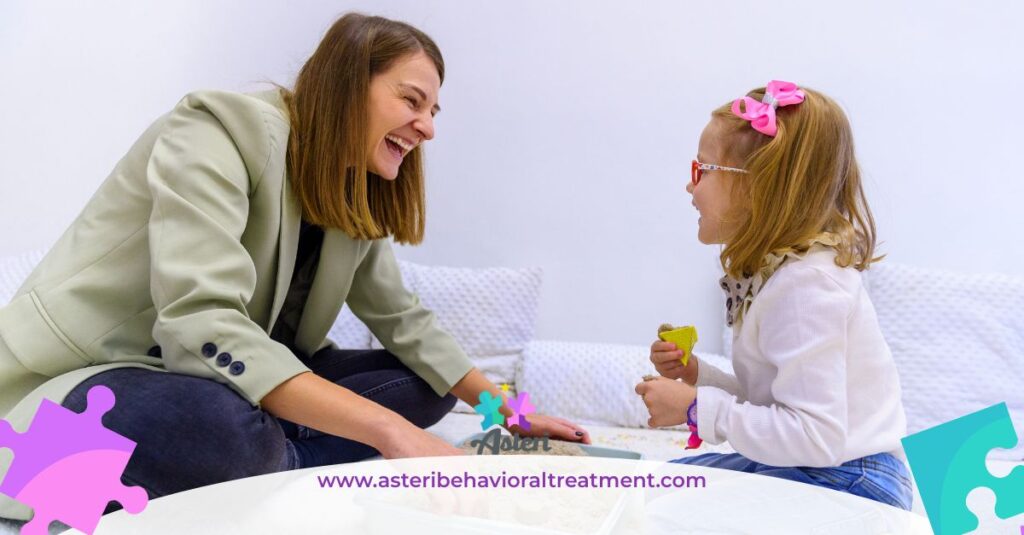
Removing the mystery behind case supervision directly builds trust between your family and your care team. When you know that the supervisor is there to observe, guide the therapist, and analyze data, the sessions become collaborative rather than intimidating.
You are a crucial part of your child’s success. Supervisors welcome your questions and insights during these visits. If you notice a new behavior outside of therapy hours, sharing that information during a supervision session helps the clinician adjust the plan accordingly.
Next Steps for Your Child’s ABA Journey
Understanding the structure of supervision sessions empowers you to take an active role in your child’s development. You can observe the modeling, ask questions about the data, and collaborate with the supervisor to set meaningful goals for your family.
If you are looking for a therapy team that values your family’s culture and prioritizes transparent, high-quality care, we are here to help. Reach out to the team at Asteri today to learn more about our culturally-aware approach to ABA therapy and how we can support your child’s unique growth.
