
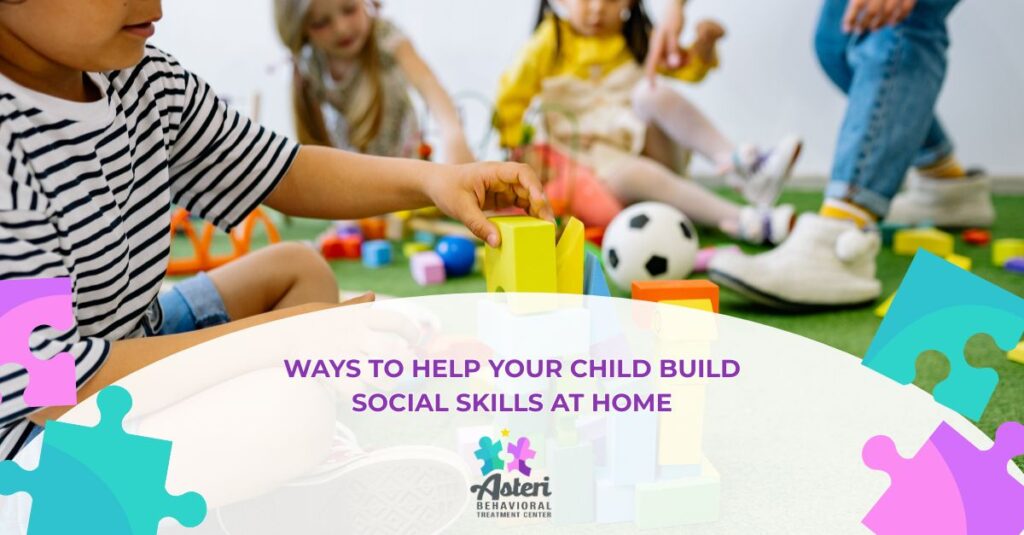
Watching your child navigate friendships and social situations can be a deeply emotional experience for any parent. You want them to feel confident, make meaningful connections, and understand the people around them. While school and community activities provide great environments for learning these behaviors, the foundation of your child’s social development—and their Social Skills—actually begins in your living room.
Home is a safe space where children can practice interacting without the pressure of a crowded classroom. By intentionally weaving social skill-building into your daily routine, you give your child the tools they need to thrive in the outside world.
This guide provides practical, actionable strategies you can start using today to support your child’s social growth. These everyday activities are designed to feel like play, helping your child learn essential skills while spending quality time with the family.
Model Active Listening During Daily Conversations
Children are incredibly observant. They learn how to interact primarily by watching the adults in their lives. You can teach excellent social skills simply by demonstrating them.
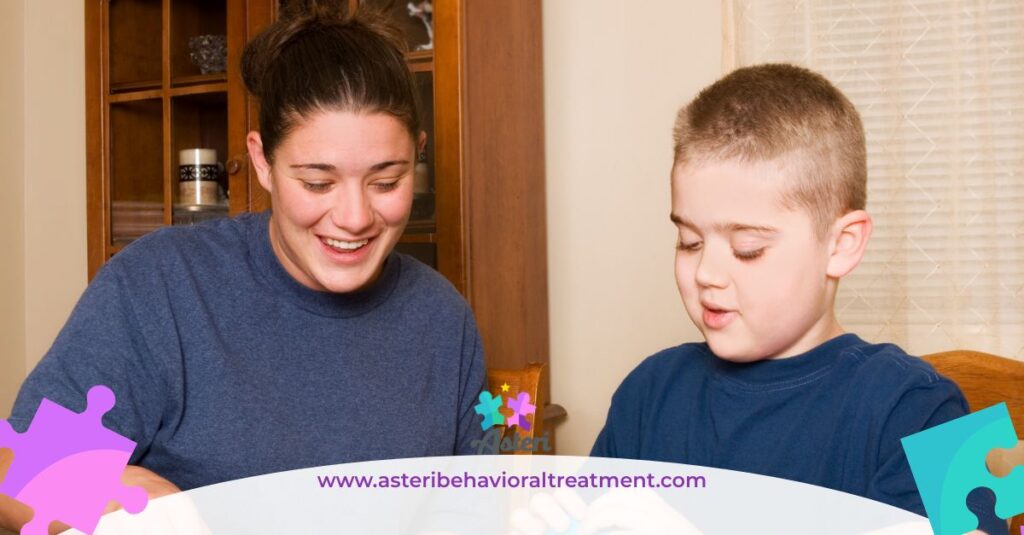
When your child speaks to you, get down on their eye level. Maintain eye contact, nod to show you hear them, and wait until they completely finish their thought before responding. By doing this, you show them what respect looks like in a conversation. You can also point out these behaviors explicitly. Say things like, “I am putting my phone down so I can listen to your story.”
Make Practice Fun with Role-Playing
Role-playing is a fantastic, low-pressure way to prepare your child for real-world interactions. You can create hypothetical scenarios that your child might find challenging and practice them together in a safe environment.
Setting Up a Pretend Scenario
Try setting up a mock grocery store checkout or pretend you are meeting a new friend at the park. Guide your child on how to say hello, ask a question, or respond when someone speaks to them. If they make a mistake, gently guide them toward a better response and try again. Keeping the tone light and playful removes anxiety and builds their confidence.
Encourage Turn-Taking Through Family Games
Patience and sharing are difficult concepts for many children to master. Board games and card games naturally teach these skills through structured rules.
Set aside a weekly family game night. Games like Uno, Connect 4, or simple memory matching require players to wait their turn, handle losing gracefully, and celebrate others’ wins. If your child gets frustrated while waiting, validate their feelings but hold firm to the rules. Over time, this helps them manage impulse control and frustration, which translates directly to playing with peers.
Teach Emotion Recognition Using Stories
A major component of social success is empathy, which requires the ability to recognize how others are feeling. Books and movies are excellent tools for exploring emotions from a safe distance.
While reading a bedtime story or watching a cartoon, pause to ask your child about the characters. Ask questions like, “How do you think he felt when his toy broke?” or “Look at her face—does she look happy or sad?” Discussing these fictional situations helps your child build an emotional vocabulary so they can better understand their own feelings and the feelings of their friends.
Arrange Structured, Short Playdates
Unstructured playtime can sometimes overwhelm children who are still developing their social skills. If your child struggles with peer interactions, keep playdates short and focused.
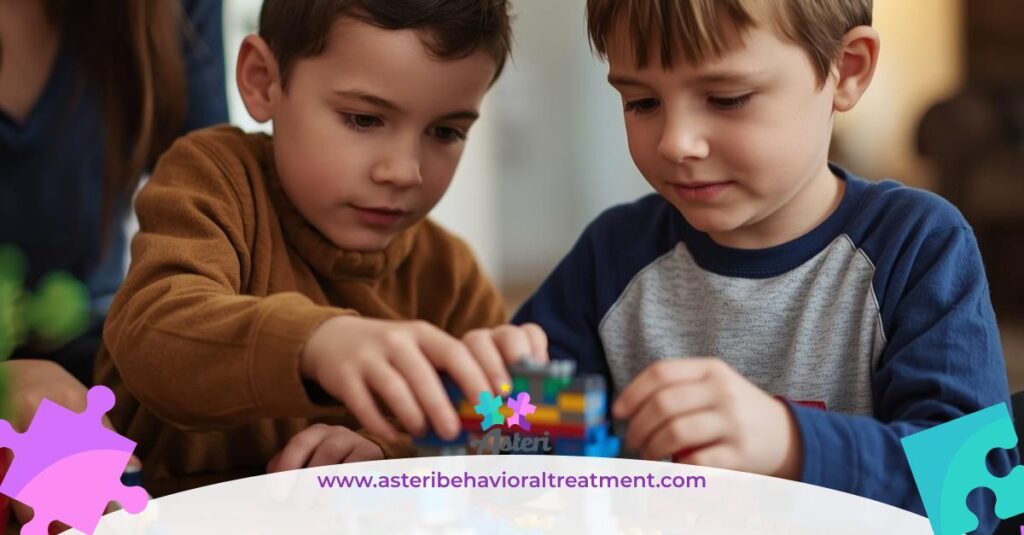
Plan a specific activity, like baking cookies, building a specific Lego set, or doing a craft. Having a shared goal gives the children something concrete to focus on, reducing the awkwardness of figuring out how to play together. Limit the playdate to an hour or two. Ending on a high note before anyone gets too tired sets a positive precedent for future get-togethers.
Finding the Right Support for Your Family
Sometimes, practicing at home reveals that a child might need a little extra guidance. Seeking professional support is a wonderful step toward giving your child the specialized tools they need to flourish.
Here at Asteri, we know that you have many choices when it comes to therapy. That’s why we do as much as possible to make sure that we stand out from the rest. We believe that building social skills should happen in an environment that feels welcoming and encouraging. Our approach is deeply supportive, focusing on your child’s unique strengths rather than just taking a cold, clinical approach to therapy. We partner with parents to ensure the strategies learned in our center translate smoothly into your home life.
Taking the Next Step in Your Child’s Growth
Helping your child develop social confidence is a gradual process that requires patience, consistency, and a lot of love. By incorporating role-play, active listening, and structured games into your home routine, you are setting them up for a lifetime of healthy relationships.
If you feel your child could benefit from a structured, supportive environment to practice these skills, we are here to help. Reach out to our team at Asteri to schedule a consultation. Together, we can create a customized plan that supports your child’s social journey and brings peace of mind to your family.
